
The Complete Software Development Life Cycle
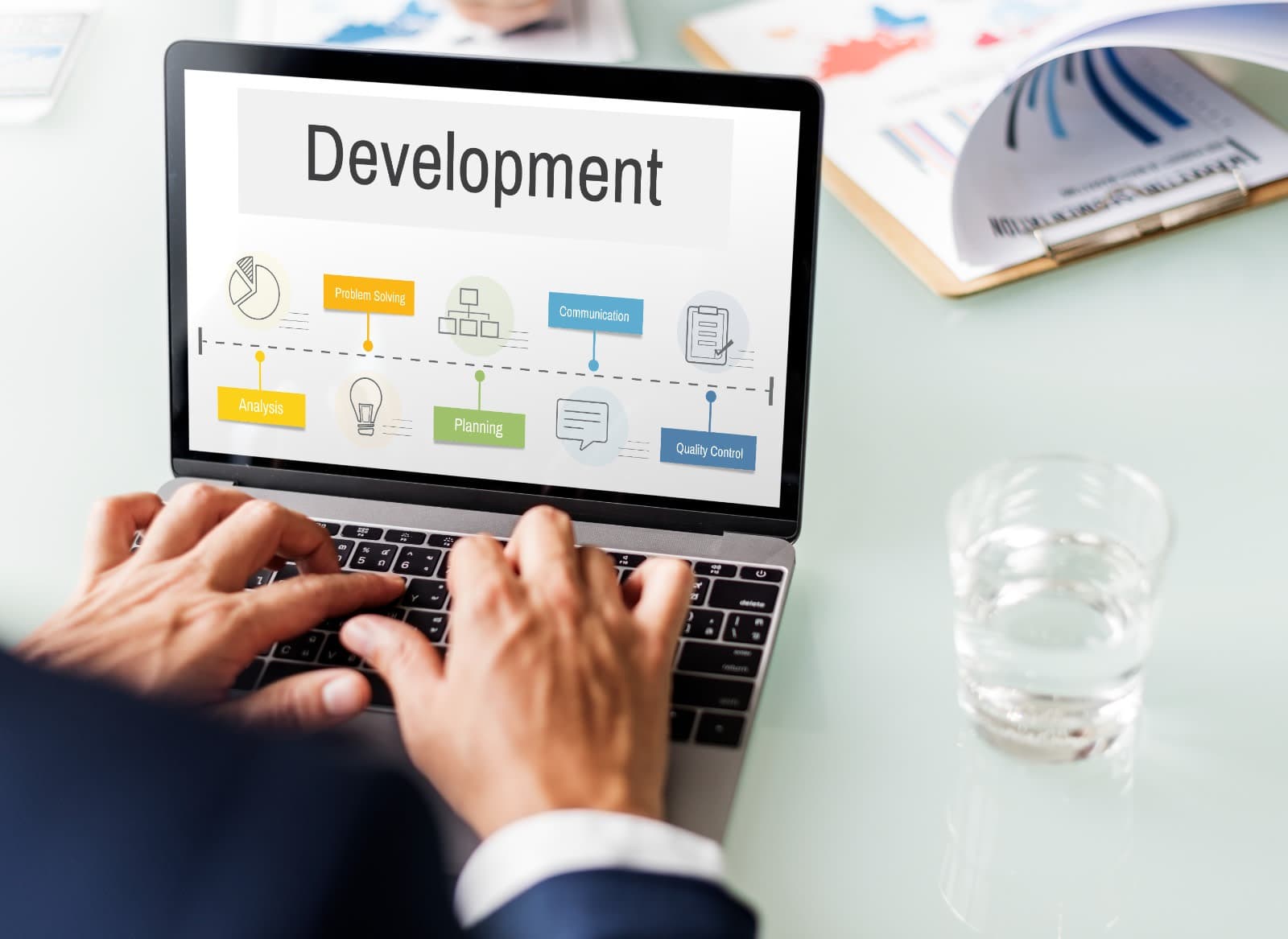
Have you ever wondered how applications like Instagram, WhatsApp, or online banking platforms are built? Behind every successful application is a structured process called the Software Development Life Cycle (SDLC). It transforms an idea into reliable, working software.
1. Requirements Analysis
Every software project begins by identifying a problem and understanding user needs. Developers and stakeholders define the application's purpose, features, and expected performance. Clear requirements help the team build the right solution.
2. Software Design
Once requirements are finalised, developers plan how the application will work. This includes designing the user interface, database structure, system architecture, and communication between components. A well-designed system is easier to develop and maintain.
3. Development
During development, programmers convert the design into working code using languages such as Python, Java, or JavaScript. They build the frontend, backend, and database components that work together to deliver the application's functionality.
4. Testing and Debugging
Before release, the software must be tested to ensure it works correctly. Testers identify defects, while developers investigate and fix their causes through debugging. Unit testing, integration testing, and system testing help improve software quality, reliability, and security.
5. Deployment
After the necessary checks are completed, the application is deployed to a production environment. This makes it available to real users through a website, mobile application, or other platform. Teams monitor the release to identify potential issues.
6. Maintenance
Software development does not end after deployment. Developers fix reported bugs, apply security updates, improve performance, and introduce new features based on user feedback. Regular maintenance keeps applications useful, secure, and reliable.
Why Is SDLC Important?
Following a structured software development process improves planning, teamwork, quality, and risk management. It also helps teams identify problems early and manage changes efficiently.
Although these six stages provide a useful framework, modern development methods such as Agile often repeat them in smaller cycles to deliver improvements continuously.
Great software is not built in one step; it evolves through a continuous process of improvement.
Ready to Start Your Software Journey?
At Texawave, we believe great software starts with the right process and the right technology. Whether you're looking to build a custom application, modernise your business, or explore innovative digital solutions, our team is here to help turn your ideas into reality.
🚀 Let's build something impactful together!
Visit Texawave today to explore our solutions and discover how we can support your digital transformation journey.